
To get rid of drain flies, destroy the breeding site, not the flies. Find the affected drain with the tape test, then scrub out the slime layer in the trap and pipe and flush with hot water and soda crystals. Adults die off within about two weeks once the film is gone. Flies that keep coming back are breeding somewhere you cannot reach, often a fouled run, disused drain or broken pipe, and that needs finding.
Drain flies, also called sewer flies or moth flies, are the small fuzzy grey insects you find resting on bathroom walls and hovering weakly around plugholes. One or two are nothing. A steady population is worth your attention, not because the flies themselves are dangerous, but because they can only breed in a drain with a problem. Get rid of the problem and the flies go with it. This guide covers identification, the clean that actually works, and what a stubborn infestation is telling you about the pipes underneath your home.
On this page
Identifying drain flies
Drain flies are two to five millimetres long, grey or tan, with fuzzy moth like wings held roof shaped over the body. They are poor fliers, moving in short hops rather than the darting flight of a fruit fly, and they spend most of their time resting on walls and tiles near their breeding drain. You will usually see them in bathrooms, kitchens and utility rooms, most active in the evening.

Telling them apart matters, because the fixes differ. Fruit flies are smaller with red eyes and hover around fruit bowls and bins, not plugholes. Fungus gnats are darker and slimmer and come from house plant compost. If the insect is fuzzy, grey, weak in the air and loitering near a plughole, gully or floor drain, you have drain flies, and the breeding site is inside the drainage system.
Finding the breeding drain
Drain flies lay their eggs in the film of grease, soap, hair and bacteria that coats the inside of a neglected or slow moving drain, and the larvae live in that film. Your first job is working out which drain is home. The classic method is the tape test: dry the suspect plugholes at night, stick clear sticky tape across each one (sticky side down, leaving a gap for airflow), and check in the morning over several days. Flies emerging from a drain get caught on the tape, and the drain with catches is your breeding site.
Check the less obvious candidates too. Little used plugholes in spare bathrooms, shower trays in holiday homes and second properties, washing machine standpipes, cellar floor drains and outside gullies are all favourites, because low water flow lets the film build undisturbed. In the second home heavy parts of Cornwall and Devon we see this constantly: a property stands empty for a few weeks, traps stagnate, and the owners return to a bathroom full of flies.
The clean that gets rid of them
The whole strategy is one sentence: remove the film they breed in. Here is the sequence that works.
- 1. Open the drain up. Remove the plughole cover, and on a sink or basin unscrew the U bend into a bowl. On an outside gully, lift the grate.
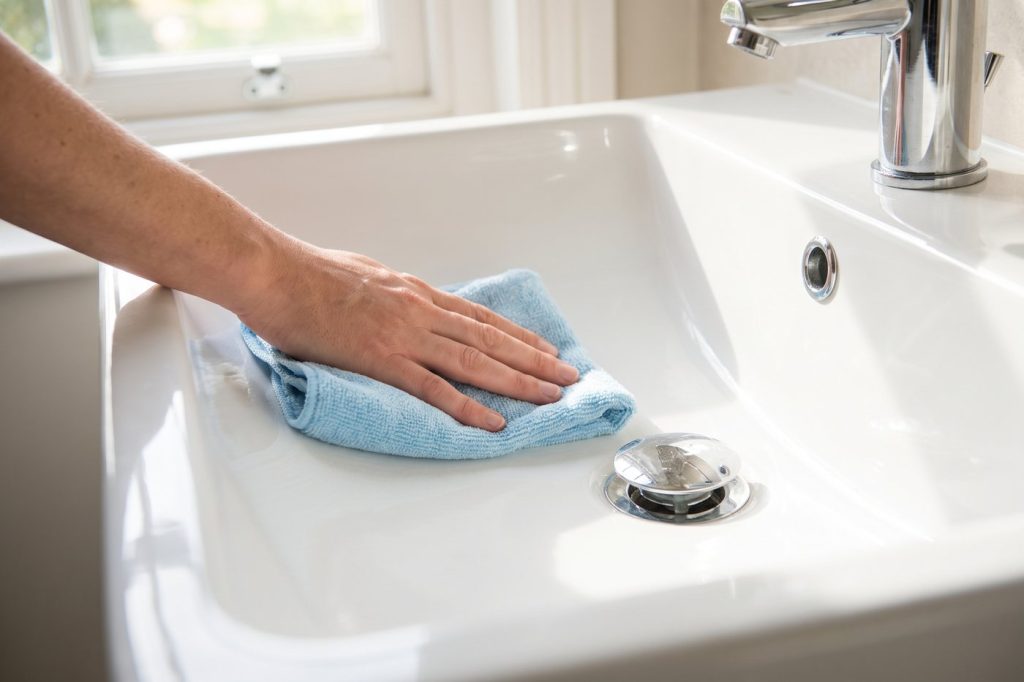
- 2. Physically scrub the slime away. A flexible drain brush, bottle brush or cloth on a stick, worked as far down the pipe as you can reach. This is the step everything else depends on. The gelatinous coating you are removing is the nursery.
- 3. Flush hot. Refit everything and flush through with hot water and a cup of soda crystals, or bicarbonate of soda followed by white vinegar, then plenty of hot water.
- 4. Repeat weekly for a fortnight. Eggs already laid can hatch for days after the clean, so a follow up scrub and flush breaks the cycle.
- 5. Keep every trap wet. Run water into little used plugholes weekly so the trap seal stays full and moving.
Adults live around two weeks, so expect stragglers for a fortnight after a proper clean. A rolled newspaper or a vacuum deals with those. If the numbers have not collapsed within two to three weeks, the breeding site is not the one you cleaned, and it is time for the next section.
What does not work
| Method | Why it fails |
|---|---|
| Swatting or spraying adults | The next generation is already in the drain. Population recovers in days. |
| Bleach or boiling water alone | Runs straight through the middle of the pipe. The film on the walls, and the larvae in it, largely survive. Boiling water can also crack older fittings. |
| Chemical drain unblockers | Designed to dissolve blockages, not strip biofilm. Harsh on pipework, poor on flies. |
| Fly spray down the plughole | Kills a few adults in the trap, leaves the breeding film intact. |
| Pouring disinfectant into a drain you have not scrubbed | Masks the smell for a day. The nursery stays open. |
What drain flies are telling you
A healthy, fast flowing drain does not support drain flies. The film they need only builds where water moves slowly or stands still, so an infestation is a free early warning that something in the system deserves a look. In a light case it means a fouled trap or gully, which the clean above fixes. A persistent or repeated infestation, especially one you cannot trace with the tape test, points at breeding sites you cannot reach with a brush:
- Heavy fouling deep in a run, where fat and scale have narrowed the pipe and waste lingers.
- A cracked, broken or leaking pipe letting waste water soak into the ground or under a floor slab. Flies breeding in that saturated soil emerge indoors through the defect and can appear far from any plughole.
- A redundant or disused drain, such as an old capped run or forgotten gully, holding stagnant water.
- A trap that no longer seals, giving flies from the sewer side a way through.
This is where diagnosis beats guesswork. A CCTV drain survey puts a camera through the system and shows exactly where waste is lingering, where the pipe is damaged, and where the flies are actually coming from, so the fix is one targeted job rather than months of cleaning the wrong plughole. And once the system is clean and sound, scheduled drain cleaning and maintenance keeps the film from rebuilding, which matters for landlords, holiday lets and commercial kitchens where flies around food areas invite the attention of environmental health.
We cover the whole patch: Plymouth, south east Cornwall and south and west Devon, from Liskeard and Bodmin across to Tavistock, Totnes and Exeter.
Frequently asked questions
What causes drain flies?
Drain flies breed in the wet organic film that builds up inside drains: the layer of grease, soap, hair and bacteria coating pipes, traps and gullies. Females lay eggs in that film and larvae feed on it. Anywhere with standing water and organic matter suits them, which is why they favour little used plugholes, slow draining pipes, fouled gullies and, in stubborn cases, hidden problems such as a broken pipe or a disused drain holding stagnant waste.
How do I get rid of drain flies permanently?
Kill the breeding site, not the flies. Find the affected drain with the tape test, then physically clean it: remove the trap or plughole cover, scrub away the slime layer, and flush through with hot water and soda crystals or a drain brush. Adult flies die off within a couple of weeks once the film is gone. Swatting adults or pouring bleach down the drain without scrubbing rarely works, because eggs and larvae survive in the film.
Are drain flies harmful?
Drain flies do not bite or sting, and for most households they are a nuisance rather than a hazard. They do breed in decomposing waste, so large numbers around food preparation areas are unhygienic, and in commercial kitchens they are a problem an environmental health inspector will take seriously. The bigger concern is what a persistent infestation says about the state of the drain they are breeding in.
Why do my drain flies keep coming back after cleaning?
Recurring drain flies mean a breeding site you have not reached. Common hidden sites include a cracked or leaking pipe letting waste soak into the ground or under a floor, a redundant drain or disused gully holding stagnant water, a trap that no longer holds its water seal, or heavy fouling deep in a run that surface cleaning cannot touch. A CCTV drain survey finds these sites so they can be cleaned or repaired properly.
Flies keep coming back? Find the real source
We trace stubborn drain fly infestations across Plymouth, south east Cornwall and south and west Devon with a camera survey, then clean or repair whatever the flies are breeding in. Fixed price, agreed up front.
Call DCI Drainage on 07418 000 420 Fast, free quotes · Local, independent, not a franchise


